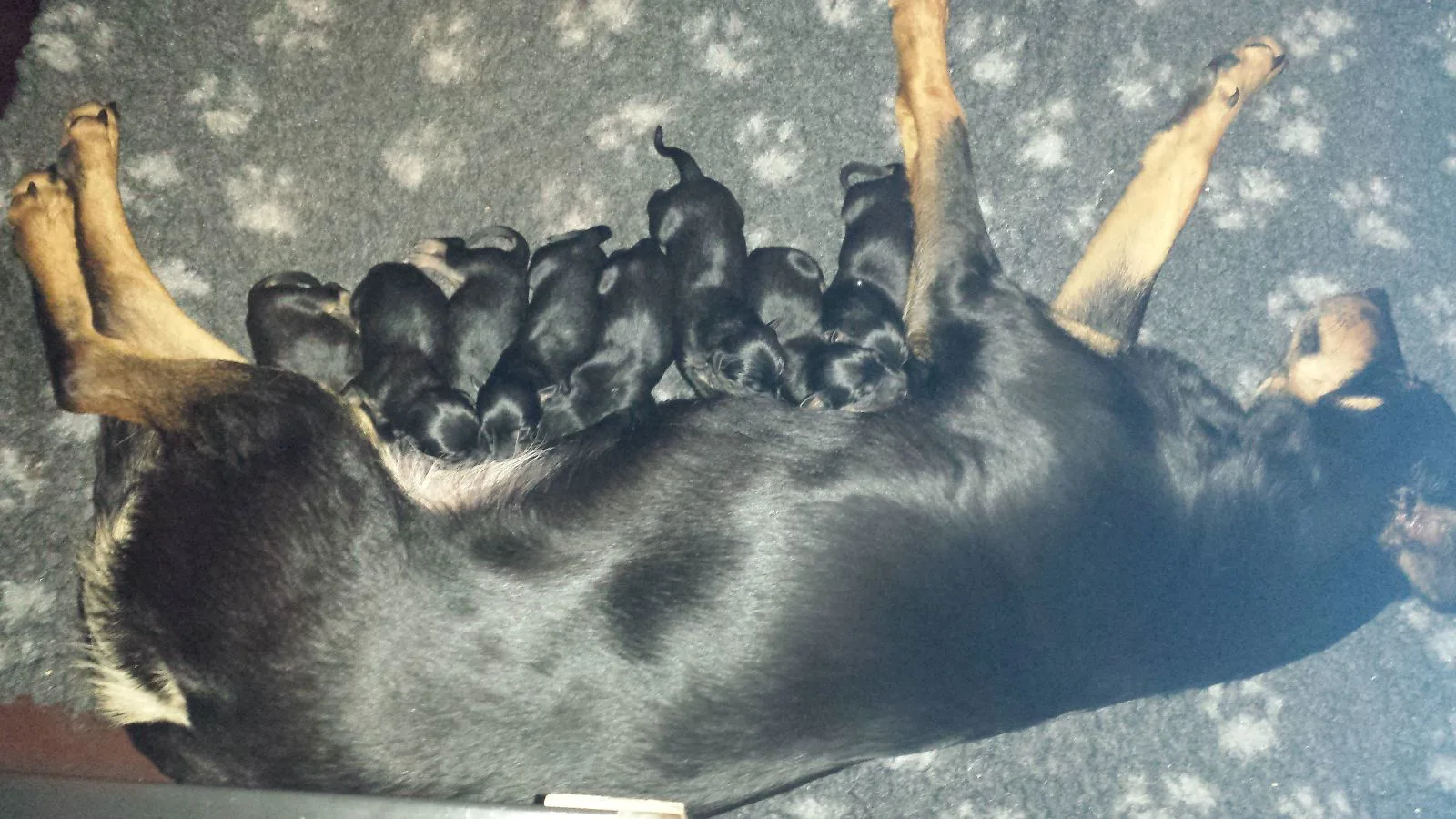
- A waiting list for Working Kelpie puppies revolves around suitability, not merely the order of registration.
- A screening interview helps determine whether a puppy from working lines matches your experience and goals.
- Litter planning can change due to health, timing, mating, pregnancy, and the number of puppies.
- Always inquire about parent dogs, expected working traits, guidance, and follow-up training.
- Shepherds Working Kelpies assesses puppies based on practical experience with dogs and herds in Doldersum, Drenthe.
- Why is there a waiting list for Working Kelpie puppies?
- Why it is not just about order
- What do you discuss prior to placement on the waiting list?
- Why litter planning can change
- How do you prepare for a puppy?
- Step-by-step plan for applying
- Frequently asked questions
Why is there a waiting list for Working Kelpie puppies?
A Working Kelpie from working lines is not placed at random. These dogs are bred for working ability, independence, stamina, and instinct for livestock. Consequently, it is essential that a puppy is placed with someone who understands what this instinct requires in daily life and during training.
A waiting list helps maintain structure and clarity. The breeder can get to know prospective owners, answer questions, and determine which combination of puppy, owner, and living situation is responsible. Especially with a breed possessing strong working drive, this is far more conscientious than simply allocating puppies based on the order of inquiry.
Why it is not just about order
With a Working Kelpie puppy, the right match takes precedence over the earliest reservation. A professional shepherd may require a different puppy than a novice handler, a livestock farmer, or a private owner without livestock. Therefore, the breeder must be able to assess temperament, aptitude, expected working power, and the buyer's individual situation.
This means that a waiting list does not always function like a standard reservation list. The order of application can play a role, but suitability, experience, and intended purpose for the dog are at least as important. This protects the puppy, the buyer, and the working line.
| Step | Why is it important? | What might be uncertain? |
|---|---|---|
| Application | The breeder gains insight into your experience, purpose, and living environment. | Applying does not automatically mean that a puppy is immediately available. |
| Screening interview | This determines whether a Working Kelpie suits your specific situation. | Sometimes a different timing, training path, or even a different type of dog proves to be more sensible. |
| Litter planning | Sound breeding planning considers parent dogs, health, and working bloodlines. | Mating, pregnancy, whelping, and litter size are never fully predictable. |
| Puppy selection | The puppy must match experience, working purpose, and future lifestyle. | Not every puppy from a litter suits every prospective owner. |
What do you discuss prior to placement on the waiting list?
A comprehensive conversation prior to placement on the waiting list prevents disappointment. Discuss openly whether you have experience with working dogs, whether you keep livestock, whether you intend to pursue stockdog training, and how much time you have available for guidance. Your household situation, living environment, scheduled rest periods, and daily structure are equally vital.
Additionally, it is advisable to ask about the parent dogs, expected traits of the litter, health screening, post-purchase support, and potential next steps for training. The more specific the conversation, the better the breeder can assess whether a puppy from the litter will suit you.
Why litter planning can change
Litter planning is always subject to change. A planned combination may be adjusted if timing, health, or circumstances require it. Furthermore, a successful mating does not guarantee pregnancy, and pregnancy provides no certainty regarding the number of puppies, gender, temperament, or distribution within the litter.
For this reason, flexibility is essential. Those seeking a puppy from a reputable working line must sometimes wait for the right pairing. This is often far wiser than hastily settling for a puppy whose temperament or guidance requirements do not align well with your future situation.
How do you prepare for a puppy?
Those on the waiting list can make productive use of their waiting time. Familiarize yourself with the distinction between working lines and show lines, attend training sessions or demonstrations where possible, discuss your plans with an experienced handler, and consider the first few months with the puppy. A Working Kelpie requires not only physical exercise, but also rest, structure, and mental guidance.
You can also make practical preparations: arrange a safe environment, schedule sufficient time off, locate training support, and discuss with your family how the puppy will learn to settle. Especially with an intelligent working dog, a calm start is crucial.
Step-by-step plan for applying
- Do your research thoroughly first. Understand the difference between a Working Kelpie, Australian Kelpie, working line, and show line.
- Reach out and share your situation. Be open about your experience, livestock, training plans, family, and expectations.
- Discuss the litter planning. Inquire about planned pairings, parent dogs, and expected timing.
- Allow the breeder to advise you. A suitable match is far more important than choosing a puppy based solely on appearance.
- Prepare for the initial period. Focus on rest, structure, guidance, and possible stockdog training.
Inquire about the waiting list and litter planning
Frequently asked questions about the waiting list for a Working Kelpie puppy
Contact the breeder and provide an honest overview of your experience, living conditions, access to livestock, and purpose for the dog. With a Working Kelpie from working lines, a screening interview is essential, as not every puppy or bloodline suits every owner. Registering is therefore typically the start of an ongoing conversation, not an automatic reservation.
Does a spot on the waiting list guarantee that I will receive a puppy?
No, a spot on the waiting list generally does not provide a complete guarantee. Litter planning, mating, pregnancy, litter size, and the suitability between puppy and owner can all have an impact. A responsible breeder looks not only at application order, but also at suitability and future working or training requirements.
How long do I have to wait for a Working Kelpie puppy?
The waiting time varies depending on the schedule, pairing, and number of suitable puppies. Because quality working lines are bred selectively, waiting for the right combination is often wiser than rushing a decision. Always inquire about the current litter schedule, bearing in mind that natural factors may cause changes.
Can I choose which puppy I get myself?
Prospective owners can sometimes state preferences, but with Working Kelpies, the right match is far more important than color or first impressions. The breeder observes the puppies daily and knows the bloodlines intimately. Consequently, the breeder can often better assess which puppy aligns with your experience, household, training goals, and potential livestock work.
What should I prepare while waiting for a puppy?
Use the waiting period to deepen your knowledge of working bloodlines, training methods, rest management, and stock work. Set up a secure environment, schedule time off for the initial weeks, and arrange training guidance. A Working Kelpie puppy requires structure, calm, and clear expectations right from the start.
Related articles
- How do you choose a Working Kelpie puppy from working lines?
- Can I buy a Working Kelpie puppy if I do not own livestock?
- Which health checks are important for Working Kelpie parent dogs?
- Working Kelpie training in sheep herding